

The power sector in India stands at a crucial juncture, navigating through various challenges to ensure sustainable growth. Financial strain within distribution companies, hurdles in land acquisition for projects, and occasional policy ambiguities have been key obstacles. Tackling these issues is imperative for fostering the sector’s long-term viability and effectiveness.
India’s journey towards renewable energy expansion has been noteworthy. The government has set ambitious targets to elevate the share of renewables in the energy mix, encompassing solar and wind power. These targets signify a strategic shift towards cleaner and more sustainable energy sources.
Policy interventions play a pivotal role in energizing the sector. Initiatives like the Ujwal DISCOM Assurance Yojana (UDAY) aim at revitalizing financially distressed distribution companies, while schemes like Saubhagya strive for universal household electrification. Such policies provide a framework for nurturing a conducive environment for power sector growth.
The augmentation of electricity generation capacity remains a priority. India is actively investing in both conventional and renewable power plants to meet the escalating demand for energy. This concerted effort underscores the nation’s commitment to ensuring energy security and sufficiency.
Efficiency enhancement initiatives are another focal point. Programs such as Perform, Achieve, and Trade (PAT) scheme are geared towards bolstering industrial energy efficiency, contributing to sustainable energy consumption patterns.
Modernizing the power grid infrastructure is paramount for enhancing reliability and accommodating a higher proportion of renewable energy sources. These upgrades facilitate seamless integration, reduce transmission losses, and fortify the resilience of the grid network.
Power stands as a linchpin of infrastructure, vital for driving economic growth and societal well-being. India’s overarching objective has been to ensure universal access to affordable and sustainable power. Efforts by the Ministry of Power, including establishing a unified national grid and achieving universal household electrification, underscore this commitment.
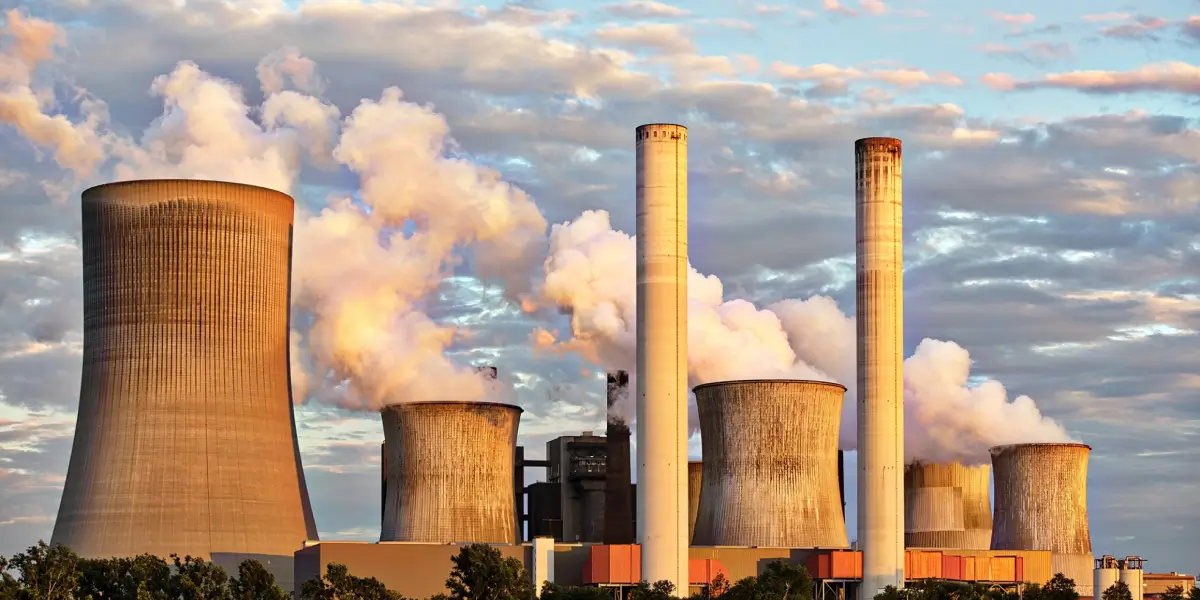
India boasts one of the most diversified power sectors globally, drawing from conventional and non-conventional sources alike. While coal, natural gas, and nuclear power form the backbone, renewables like wind and solar are increasingly gaining prominence.
India’s ascent in renewable energy is remarkable, reflected in its global rankings for wind and solar power capacities. Such achievements align with its commitments under international agreements like the Paris Agreement, positioning India as a frontrunner in sustainable energy adoption.
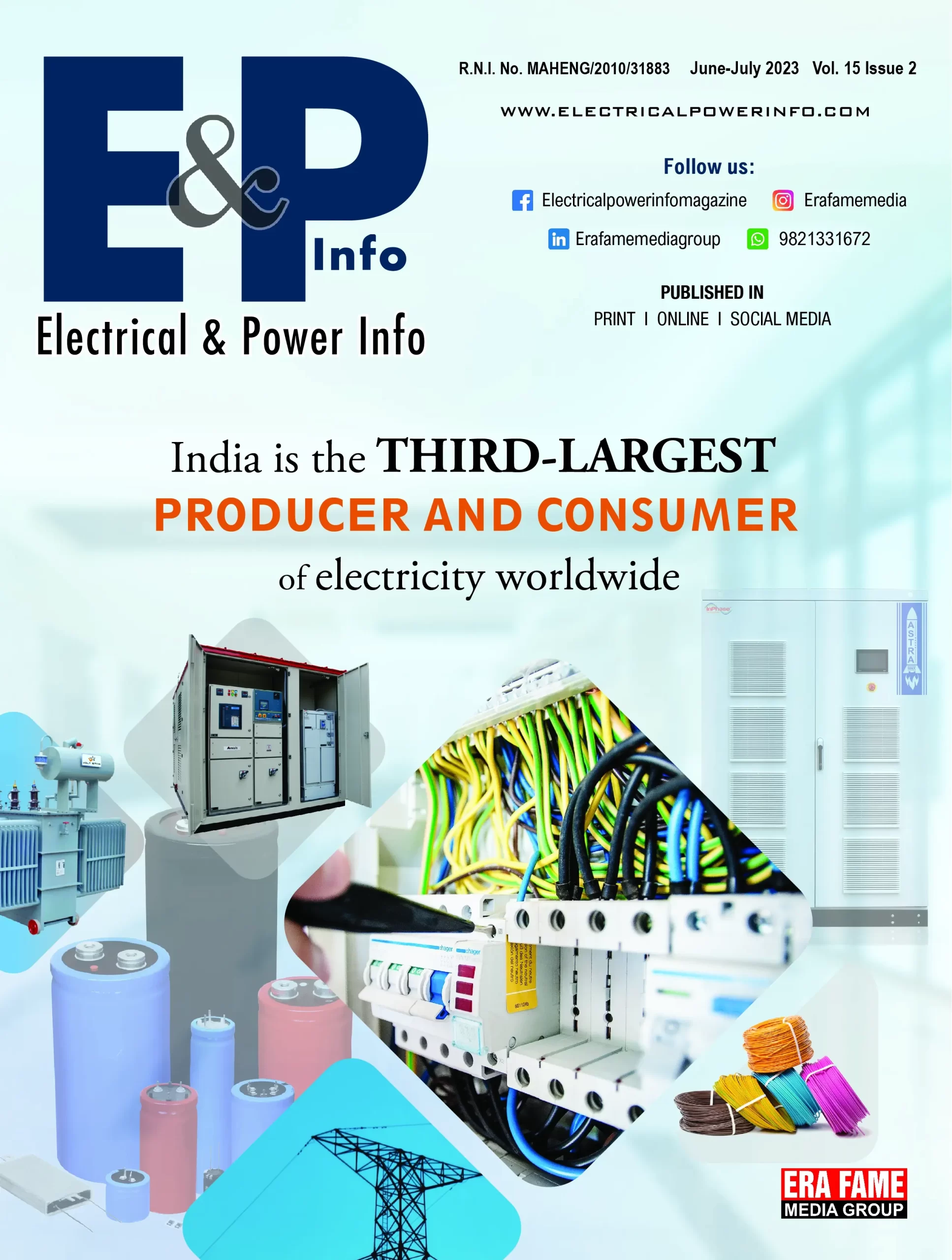
As of recent statistics, India ranks third in both power production and consumption globally, with a substantial installed capacity. The proliferation of renewable energy, constituting over 40% of the total capacity, signifies a paradigm shift towards cleaner energy sources.
Continued growth is projected, with significant additions to both renewable and thermal power capacities anticipated. This trajectory underscores India’s relentless pursuit of energy sufficiency and sustainability.
Looking ahead, the Indian power sector anticipates transformative changes in demand dynamics, energy composition, and market operations. The focus remains on ensuring reliable access to electricity for all, while accelerating the transition towards cleaner energy alternatives.
Government initiatives, such as the ‘rent a roof’ policy and plans for expanding nuclear power capacity, exemplify India’s commitment to diversifying its energy mix and fostering innovation in the sector.
Projections indicate a substantial increase in power demand by 2030, alongside a significant rise in renewable energy’s share in the energy mix. This transition underscores India’s evolution towards a more sustainable and resilient energy landscape.
With a target of 500 GW of renewable energy capacity by 2030 and a growing emphasis on clean energy transition, India is poised to emerge as a global leader in sustainable power generation and consumption.