

Overall, the roofing and pre-engineered building industry presents significant growth opportunities driven by technological advancements, sustainability trends, urbanization, infrastructure development, and the need for resilient building solutions. Companies that innovate, adapt to market trends, and focus on sustainability are well-positioned to capitalize on these opportunities in the coming years.
The Indian pre-engineered buildings market was valued at USD 19.6 billion in 2023. It is anticipated to surge from USD 21.9 billion in 2024 to USD 50.72 billion by 2030, marking a compound annual growth rate (CAGR) of about 11% during the forecast period (2024 – 2030). The increasing adoption of pre-engineered buildings across diverse sectors such as warehouses, industrial facilities, infrastructure, commercial complexes, and residential projects is driving market expansion. Lightweight building structures are in high demand, further fuelling market growth.
Modular construction, particularly Permanent Modular Construction (PMC), is gaining traction as an industry that embraces lean techniques to optimize operational workflows. PMC utilizes offsite manufacturing methods to prefabricate single or multi-story buildings, enhancing operational efficiency and streamlining construction processes. Key players worldwide are embracing innovative approaches such as lean manufacturing, standardized project management (SPM), and building information modelling (BIM) to transform the industry landscape.
The rise in the adoption of pre-engineered buildings for office spaces is a significant contributor to market growth. With rapid urbanization and economic development in emerging economies, businesses are seeking cost-effective and expedited methods for constructing office premises. Pre-engineered buildings offer both cost-efficiency and rapid construction timelines, thus driving the global CAGR of the pre-engineered buildings market.
Furthermore, there is a growing emphasis on environmental sustainability and green building practices. Pre-engineered buildings present numerous sustainability benefits, including energy efficiency, reduced carbon emissions, and minimized waste generation. The integration of eco-friendly materials, energy-efficient designs, and renewable energy sources aligns with the objectives of sustainable construction, further propelling the adoption of pre-engineered buildings in the market.
Sustainable Solutions: There has been a significant shift towards sustainable roofing materials and practices. This includes the use of eco-friendly materials, such as solar panels integrated into roofing systems, green roofs, and cool roofs that reduce energy consumption.
Technological Advancements: The industry is witnessing advancements in technology, including the use of drones for roof inspections, 3D modeling for design and planning, and the integration of smart technology for improved building management and maintenance.
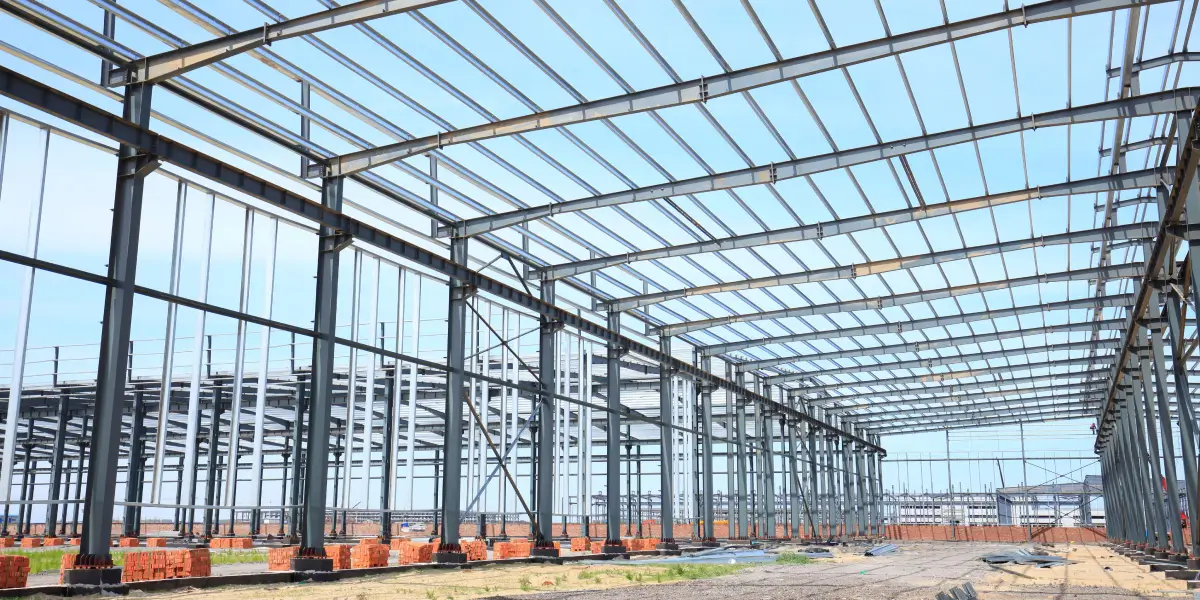
Pre-Engineered Building (PEB) Sector: The PEB sector continues to grow rapidly, driven by factors such as rapid urbanization, industrialization, and the need for cost-effective and time-efficient construction solutions. PEBs offer advantages such as flexibility in design, faster construction timelines, and cost savings compared to traditional construction methods.
Urbanization and Infrastructure Development: The increasing rate of urbanization and infrastructure development projects, particularly in emerging economies, presents significant opportunities for the roofing and pre-engineered building industry. This includes the construction of commercial buildings, warehouses, factories, and infrastructure projects such as airports and railway stations.
Resilience and Disaster Mitigation: With the growing concerns over climate change and extreme weather events, there is a growing demand for roofing and building solutions that are resilient to natural disasters such as hurricanes, floods, and earthquakes. This has led to increased interest in durable roofing materials and designs that can withstand harsh environmental conditions.
Market Expansion: The roofing and pre-engineered building industry is expanding into new markets, both geographically and in terms of applications. This includes the adoption of modern building techniques in sectors such as agriculture, education, healthcare, and residential construction.
Regulatory Environment: Compliance with building codes, regulations, and standards continues to be a key consideration for companies operating in the roofing and pre-engineered building industry. Adapting to evolving regulatory requirements and environmental standards is essential for sustainable growth and market competitiveness.